In the ever-evolving landscape of artificial intelligence, learning how to communicate effectively with AI models can significantly enhance the quality and relevance of the outputs you receive. Whether you’re generating text, images, or seeking answers to complex queries, the secret lies in the art of crafting precise and detailed prompts. Here’s a comprehensive guide, complete with examples, to help you master this skill.
1. Be Specific and Detailed
Why it Matters: The specificity of your prompt directly influences the AI’s output. Vague prompts often lead to generic responses, while detailed instructions can generate tailored and nuanced results.
Example: Instead of asking for “a story about a dog,” specify the kind of story you want: “Write a heartwarming story about a golden retriever named Max who discovers a lost kitten in the park and embarks on an adventure to reunite it with its family.”
2. Use Descriptive Language
Why it Matters: Descriptive language enriches your prompts, especially for creative tasks like image generation or storytelling, providing a vivid picture of your desired outcome.
Example: For an image, instead of requesting “a landscape painting,” try “a landscape painting showcasing a serene lake surrounded by autumn trees, with reflections in the water and a clear blue sky above.”

3. Provide Context
Why it Matters: Context helps AI understand the broader scope of your request, leading to more accurate and relevant responses.
Example: If asking about the impact of a historical event, specify the event and its era: “Explain the impact of the printing press invention in the 15th century on European societies.”
4. Clarify the Format or Structure
Why it Matters: Defining the structure of your expected output ensures that the content is organized in a way that meets your needs.
Example: “List the top 5 benefits of meditation, including a brief description of each, formatted as bullet points.”
5. Incorporate Examples
Why it Matters: Examples serve as a concrete reference for the AI, guiding it towards the style or tone you’re aiming for.
Example: “Write a condolence message similar to this: [example message], but focus it on the loss of a beloved pet, making it comforting and heartfelt.”
6. Utilize Prompts Iteratively
Why it Matters: Refining prompts based on initial outputs can gradually steer the AI toward your exact requirements.
Example: If the first story draft is too general, you might say, “Expand on the adventure part of the story, adding a subplot about how Max and the kitten outsmart a mischievous crow.”
7. Ask for Multiple Outputs if Unsure
Why it Matters: Requesting variations can provide you with a range of options to choose from, offering different perspectives or styles.
Example: “Generate three headlines for an article about sustainable living practices, each with a different focus: economic benefits, environmental impact, and personal health.”
8. Feedback is Key
Why it Matters: Providing feedback on the outputs helps fine-tune the AI’s understanding of your preferences and improves future interactions.
Example: “The story captures the heartwarming aspect well, but could you make the adventure more thrilling by adding an unexpected challenge?”
9. Keep Up with Updates
Why it Matters: Staying informed about the latest capabilities and features of AI models can unlock new possibilities for your prompts.
Example: If a new model improves its understanding of emotional nuances, you might refine your storytelling prompts to leverage this advancement.
Real-World Examples of Effective Prompt Crafting
For real-world examples of effective prompt crafting, especially in the domains of text and image generation, you might want to explore several online platforms and communities where enthusiasts and professionals share their prompts and the resulting outputs.
1. GitHub Repositories
- What to Look For: Collections of prompts used for various AI models, including text and image generation. Contributors often share both the prompts and the outputs, providing a wealth of examples.
- Example: A repository dedicated to GPT prompts might include detailed documentation on prompts that generated creative stories, technical explanations, or even programming code.
2. Reddit Communities
- What to Look For: Subreddits related to AI, such as r/MachineLearning, r/OpenAI, or specific ones like r/DeepDream for images, where users share their experiments, including the prompts they used and the AI-generated content.
- Example: A thread where a user shares a prompt used to generate a detailed story set in a futuristic city, including the parameters for style and tone, and then discusses the effectiveness of various prompt modifications based on community feedback.
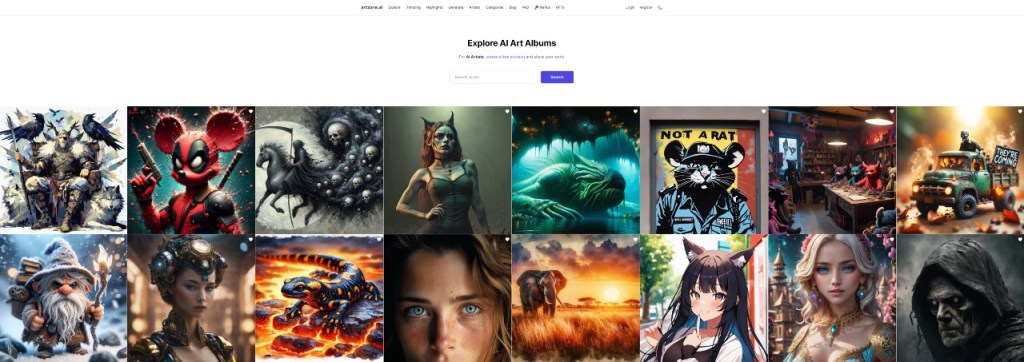
3. AI Art Galleries
- What to Look For: Online galleries or showcases of AI-generated art, where artists might detail the prompts they used to create specific pieces. These can be found on platforms dedicated to AI art or even artists’ personal websites.
- Example: An AI art showcase where an artist explains the prompt that led to a stunningly detailed digital painting of a mythical landscape, including the specific instructions on color palette, lighting, and mood.
4. Twitter and Other Social Media Platforms
- What to Look For: Hashtags or accounts dedicated to AI-generated content, where individuals share their prompts and results for both text and image models.
- Example: A Twitter thread under a hashtag like #AIPrompts where users share innovative prompts they’ve used to generate unique and creative outputs, including tips on crafting effective prompts.
5. Medium Articles and Blogs
- What to Look For: Articles and blog posts where writers detail their experiments with AI, offering insights into prompt engineering and sharing both their prompts and the results.
- Example: A Medium article where an author shares their experience using AI for creative writing, including the specific prompts that led to their favorite stories, and analysis of what made these prompts effective.
Conclusion: The Art of Prompt Crafting
Mastering the art of prompt crafting is an ongoing journey of exploration and refinement. By applying the principles outlined in this guide and drawing inspiration from real-world examples, you can enhance your interactions with AI, unlocking a world of creativity and innovation. Remember, effective communication with AI is not just about achieving immediate goals but also about exploring the vast potential of AI collaborations.
Whether you’re a content marketer seeking the perfect narrative, a graphic designer envisioning a masterpiece, or a researcher in search of detailed information, mastering prompt crafting is your gateway to maximizing the potential of artificial intelligence. Embrace this art form with curiosity and creativity, and let your AI interactions be transformed into a journey of endless possibilities.



Improve Your Marketing ROI | info@amrohadigital.com
 Your B2B & Digital Marketing Agency